


Advancing schizophrenia care in Uganda
Massachusetts General Hospital and Makerere University are working together to close the care gap for schizophrenia in Uganda. This profile outlines the country — its people, its mental health landscape, and the capacity of its care system — and the work these two institutions are doing to build stronger, more reliable care.
Part One
Uganda's mental health landscape
To understand the challenge of schizophrenia care, we start with the country itself: where it is, who lives there, and the wider mental health picture that surrounds it.
Uganda at a glance
Uganda sits in East Africa, straddling the equator and bordered by Kenya, Tanzania, Rwanda, the Democratic Republic of the Congo, and South Sudan. It is one of the youngest and fastest-growing populations in the world.
Source: Uganda Bureau of Statistics, 2024 Census
Uganda highlighted within the African continent.
The mental health landscape
Mental health need in Uganda is vast, but access to care is not. National estimates suggest millions live with a mental health condition, while the overwhelming majority never receive formal treatment.
Government estimates suggest roughly a third of Ugandans experience mental ill-health at some point.
Source: National Planning Authority, 2025
Fewer than one in ten people who need mental health care actually receive it.
Source: National Planning Authority, 2025
Only a small fraction of national health spending is directed to mental health services.
Source: National Planning Authority, 2025
Schizophrenia in Uganda
Schizophrenia is a severe, long-term condition affecting how a person thinks, feels, and perceives reality. It typically requires sustained, specialist care. Applying global prevalence to Uganda's population gives an estimate of the scale.
Schizophrenia affects roughly 1 in 345 people worldwide.
Source: World Health Organization, 2025
An estimate of people living with schizophrenia in Uganda, based on the WHO global prevalence and Uganda’s 2024 population.
Source: WHO, 2025; Uganda Bureau of Statistics, 2024
At Butabika, schizophrenia-spectrum disorders accounted for about half of psychotic disorders among patients presenting for treatment for the first time.
Source: Mwesiga et al., PLOS ONE, 2020
Part Two · Where care happens
Uganda's psychiatric hospitals
Specialist mental health care in Uganda is delivered through one national psychiatric hospital, teaching hospitals, a network of regional units, and a handful of mission hospitals. Most of this capacity is concentrated in and around Kampala.
Butabika National Referral Mental Hospital
Kampala · Established 1955
Butabika is Uganda's only national referral mental hospital and its largest psychiatric facility. With around 550 beds, it is the top of the referral chain for the entire country — the place patients with severe conditions like schizophrenia are sent when regional units cannot cope.
It is also a national teaching and research hospital, working closely with Makerere University College of Health Sciences to train psychiatrists, mental health nurses, and clinical officers for the whole country.
Mulago National Referral Hospital
National referral · Psychiatric unit
Kampala
Uganda’s main national hospital. Its psychiatric unit is a teaching and research site run with Makerere University College of Health Sciences, training the country’s future mental health specialists.
16 Regional Referral Hospitals
Regional · Mental health units
Arua, Gulu, Jinja, Kabale, Mbale, Mbarara, Soroti & more
Each regional referral hospital has a dedicated mental health unit, bringing care closer to people outside the capital — though staffing and medicine supplies are often stretched thin.
Kisiizi Mission Hospital
Non-governmental
Rukungiri District
A faith-based hospital providing both inpatient and outpatient mental health services, an example of how mission and community facilities help fill gaps in rural care.
The catch: Most specialist care, teaching, and research is clustered in Kampala. For a family in a rural district, the nearest psychiatrist may be hundreds of kilometers away — a major reason why so many people living with schizophrenia never reach professional care.
Care capacity
A large population living with mental illness needs a workforce to match. In Uganda, that workforce is small and highly concentrated — and specialist schizophrenia care is rarer still.
Roughly one psychiatrist for every 656,000 people.
Source: National Planning Authority, 2025
Among the lowest ratios in the world.
Source: Derived from National Planning Authority, 2025 and Uganda Bureau of Statistics, 2024
The national referral hospital, supported by 157 nurses.
Source: Mwesiga et al., PLOS ONE, 2020
Specialist care is concentrated in Kampala, far from most rural patients.
Source: Uganda Ministry of Health
Part Three · Our Work
Building clozapine capacity in Uganda
A partnership between Massachusetts General Hospital and Makerere University — Uganda's leading mental health institution — to build a safe, practical, and scalable system for delivering clozapine, the only evidence-based treatment for treatment-resistant schizophrenia (TRS).
The challenge
Clozapine became available in Uganda's national and regional hospitals in 2026, but it remains unused because the systems required for safe delivery — clinical protocols, laboratory monitoring, pharmacy coordination, and community follow-up — have not yet been built.
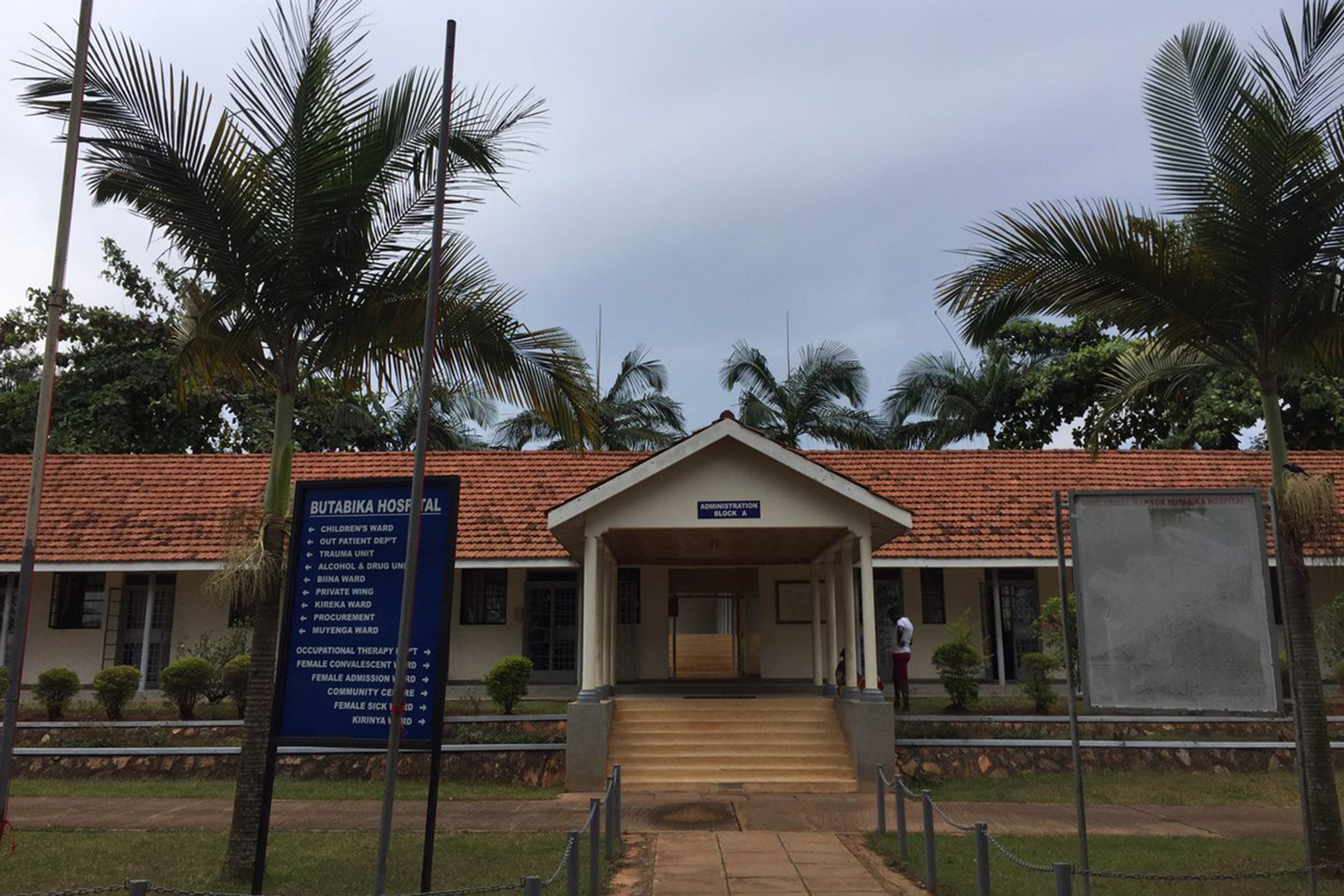
The national referral hospital operates far beyond its intended size.
Source: Butabika National Referral Mental Hospital
Overcrowding drives prolonged and recurrent admissions.
Source: Butabika National Referral Mental Hospital
Treatment-resistant schizophrenia responds only to clozapine.
Source: Siskind et al., 2022
Our approach
We focus on co-design and building the systems needed for safe clozapine delivery, linking Butabika to Uganda's first community clozapine clinic, and integrating MGH clozapine expertise with Ugandan clinical and health-system knowledge.
Build the foundation
- Engage patients, caregivers, clinicians, and the Ministry, and form a Ugandan-chaired Working Group.
- Assess laboratory, pharmacy, workforce, referral, and follow-up readiness.
- Develop Uganda's first clozapine clinical guidelines through a modified Delphi process.
- Select and strengthen Uganda's first community clozapine clinic and adapt the digital platform.
Our partners
The project is led in-country by Ugandan investigators, with MGH contributing specialised clozapine expertise. Learning is bidirectional by design.
Massachusetts General Hospital
MGH Department of Psychiatry — clozapine expertise, coordination, and the digital monitoring platform that supports safe delivery.
Makerere University
Department of Psychiatry — the Ugandan academic home, providing local scientific leadership, supervision, and trainee engagement.
Butabika Hospital
The principal clinical site and specialist hub for TRS identification, clozapine initiation, safety monitoring, and discharge planning.
Uganda Ministry of Health
Aligning clinical protocols, workforce development, and scale-up with national mental health policy and priorities.
Our team

Carol Lim, MD, MPH
Massachusetts General Hospital
MGH Project Lead
Assistant Professor of Psychiatry, Harvard Medical School
Medical Director, MGH Clozapine Clinic
Dr. Lim leads the MGH side of the collaboration, coordinating the partner sites and providing clozapine expertise. She is a Member of the Board of Trustees of Kumi University in Uganda.

Oliver Freudenreich, MD
Massachusetts General Hospital
Senior Advisor
Professor of Clinical Psychiatry, Harvard Medical School
Co-Director, MGH Psychosis Clinical and Research Program
Dr. Freudenreich draws on decades of clozapine experience to provide senior guidance on implementation and quality assurance for the program.
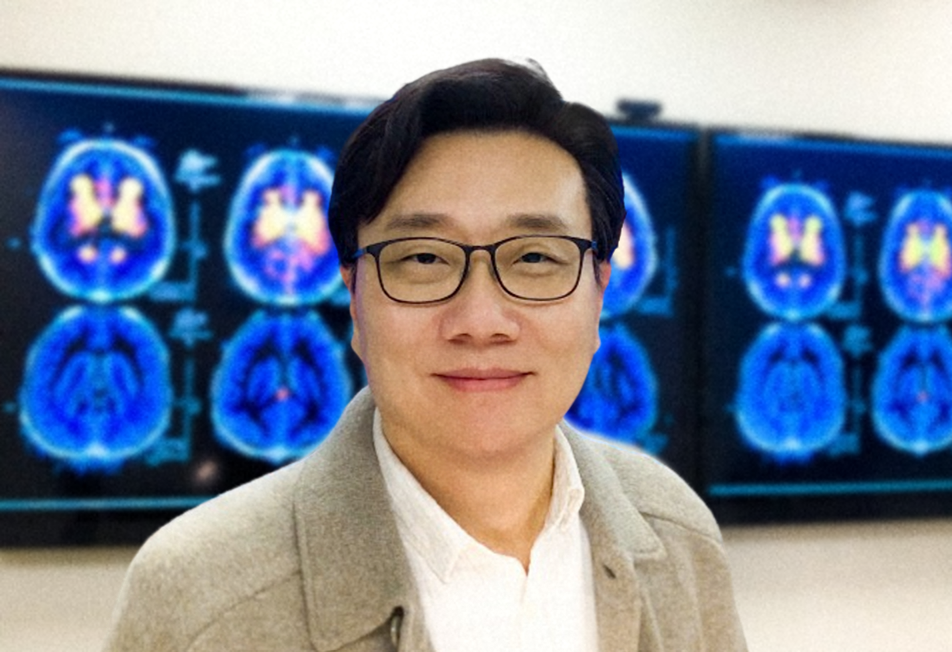
Taeho Jo, PhD
Indiana University School of Medicine
Medical AI & Digital Health Platform Lead
Assistant Professor of Radiology and Imaging Sciences, Indiana University School of Medicine
Dr. Jo leads adaptation of the digital clozapine monitoring platform to Ugandan workflows, contributing expertise in medical artificial intelligence and open-source, web-based computational platforms.

Giuseppe Raviola, MD, MPH
Massachusetts General Hospital
Institutional Advisor for Global Health
Associate Professor of Global Health and Social Medicine, Harvard Medical School
Director, Chester M. Pierce, MD Division of Global Psychiatry, MGH
Dr. Raviola provides institutional guidance, strategic advice, and mentorship to the project.
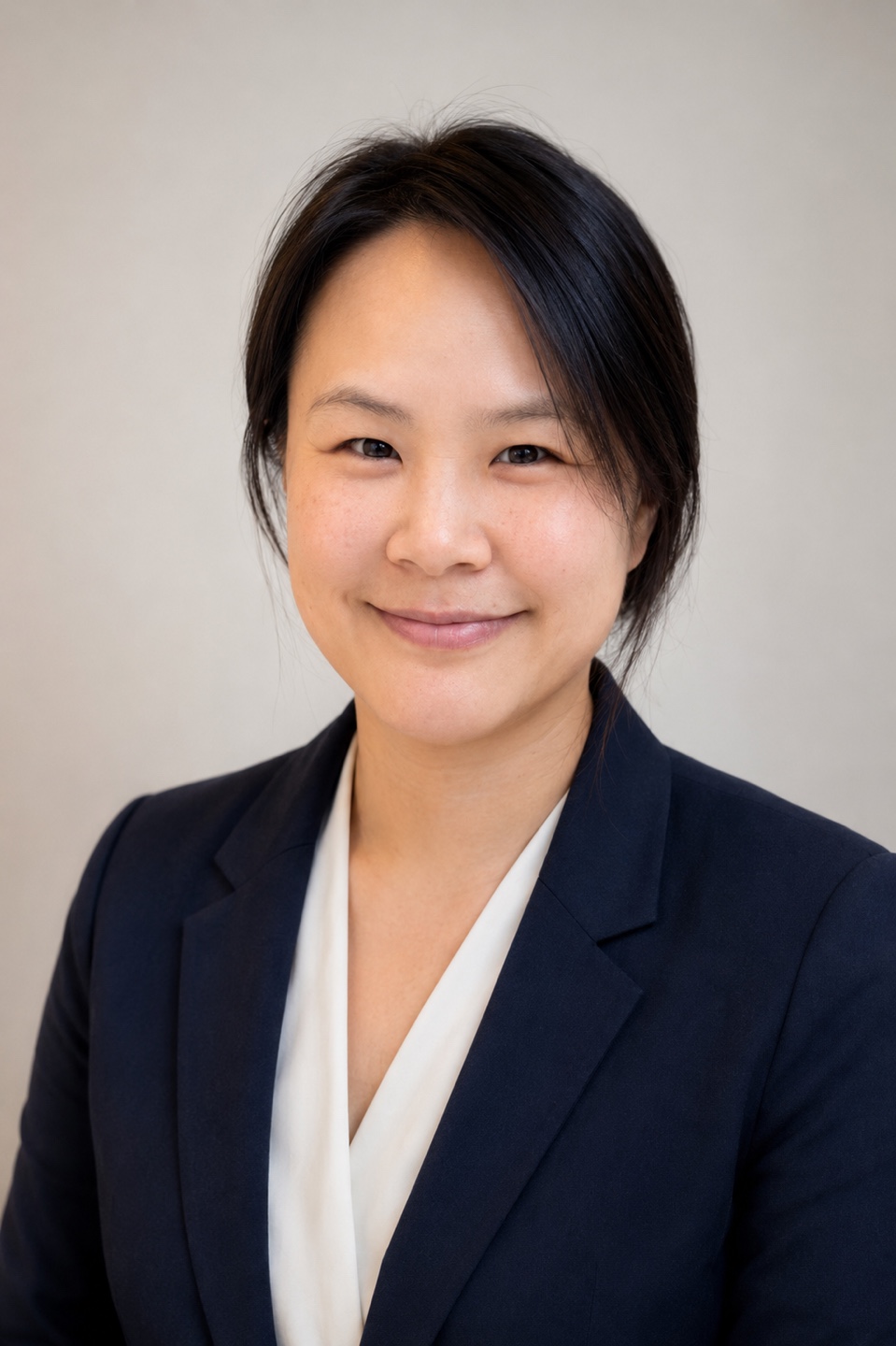
Jiyoung Lim, DrPH
Project Collaborator
Senior Project Manager
Dr. Lim develops the project website, participates in on-site meetings in Uganda, supports fundraising and donor engagement, and builds a teaching resource library based on meeting documentation, lessons learned, and collaborative knowledge exchange.

Marta Hernandez
Massachusetts General Hospital
Project Coordinator
Provides administrative and logistical support, participates in on-site meetings, and assists with communication and follow-up to help project activities run smoothly.

Emmanuel Kiiza Mwesiga, MBChB, MMed, PhD
Makerere University
Uganda Site PI & Makerere Subaward Lead
Senior Lecturer, Department of Psychiatry, Makerere University College of Health Sciences
President, Uganda Association of Psychiatrists
Dr. Mwesiga directs all in-country scientific work and leads the Early Intervention Psychiatry Services at Makerere University Hospital and the Psychosis Research Group. As President of the Uganda Association of Psychiatrists, he leads the national body representing the country’s psychiatrists.
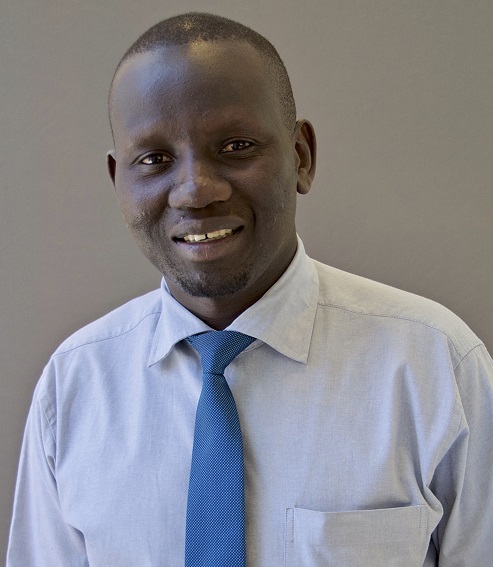
Dickens Akena, MBChB, MMed, PhD
Makerere University
Capacity-Building Lead
Associate Professor and Chair, Department of Psychiatry, Makerere University College of Health Sciences
Dr. Akena oversees mentorship of Ugandan faculty and trainees and the capacity-building activities that are central to the program.
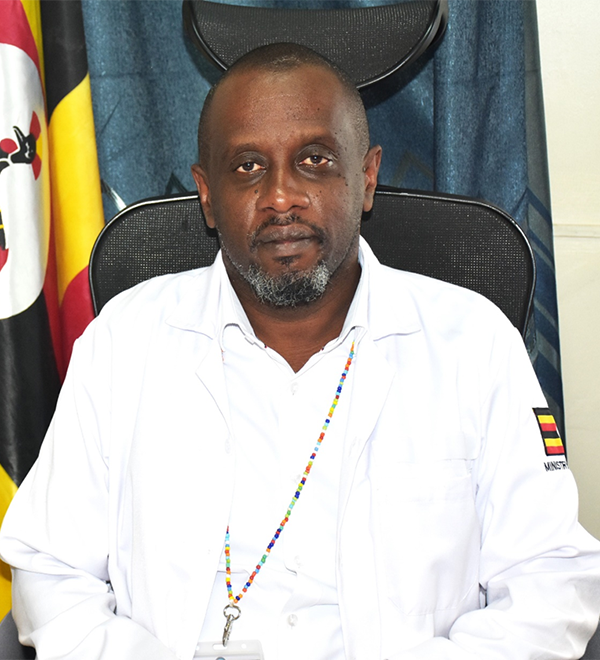
Byamah Brian Mutamba, MBChB, MMed, MPH, PhD
Butabika National Referral Mental Hospital
Butabika Site Lead
Deputy Executive Director and Consultant Psychiatrist, Butabika National Referral Mental Hospital
Dr. Mutamba leads implementation at Butabika, the principal clinical site, aligning the project with hospital decongestion and community reintegration efforts.
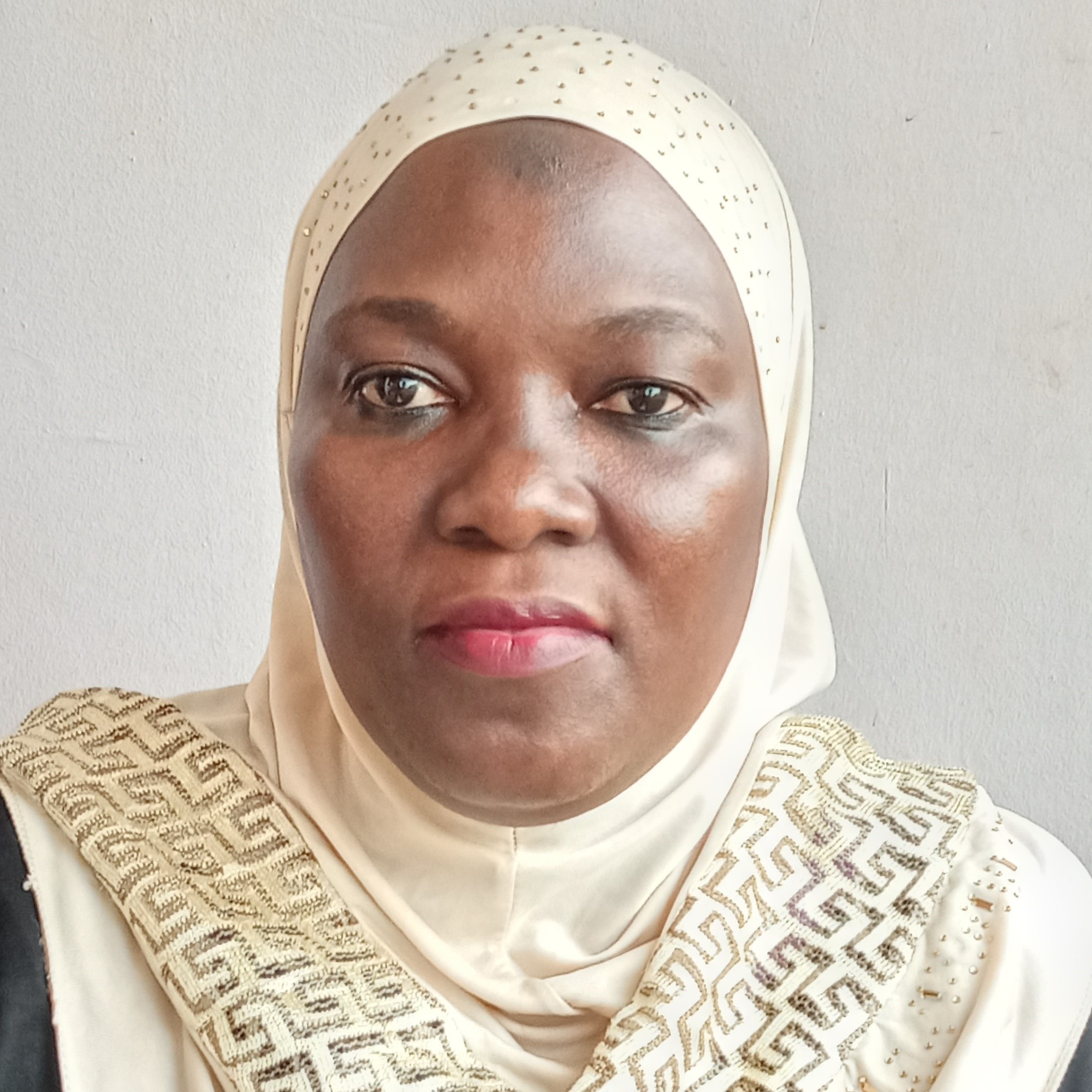
Hafsa Lukwata, MBChB, MPH
Uganda Ministry of Health
National Policy Lead
Head, Mental Health Division, Uganda Ministry of Health
Dr. Lukwata ensures the project aligns with national mental health policy, workforce development, and plans for scale-up.
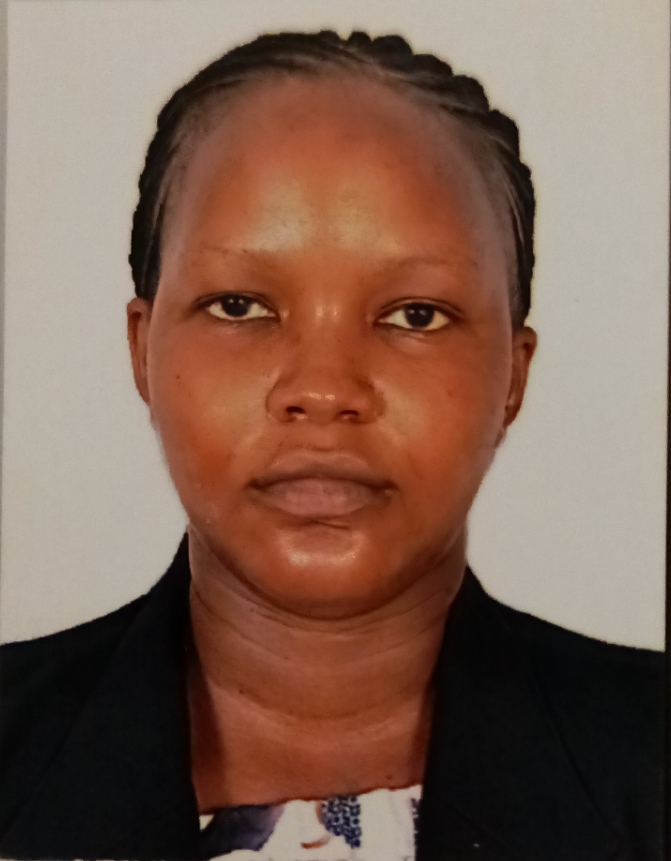
Sophia Balinga, MBChB, MMed
Butabika National Referral Mental Hospital
Clinical Research Coordinator
Dr. Balinga coordinates clinical research activities at Butabika National Referral Mental Hospital.
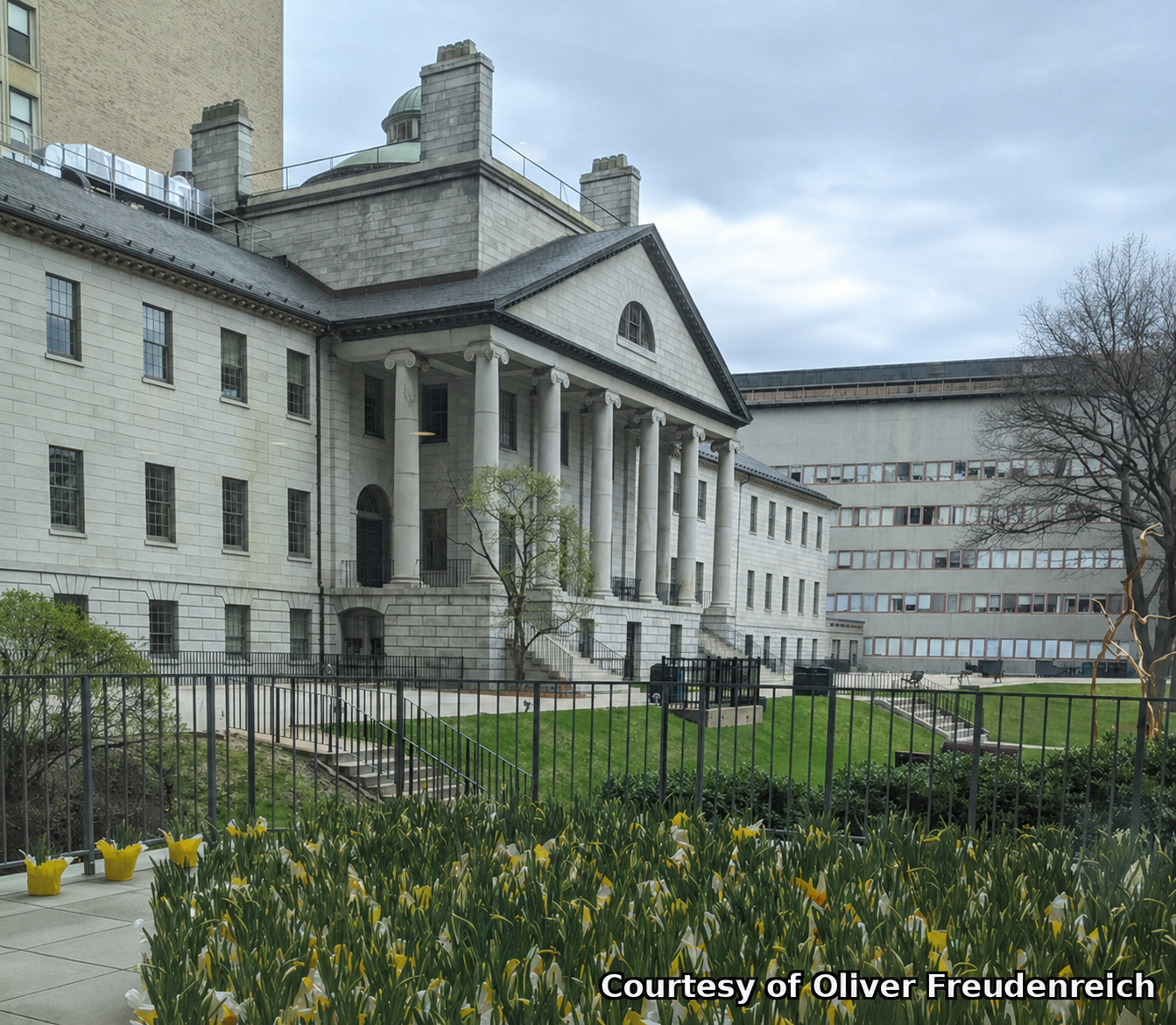
Where this work comes from
TRS ACCESS Network at Massachusetts General Hospital
The TRS ACCESS Network is the MGH Psychosis Program's initiative to expand access to evidence-based care for treatment-resistant schizophrenia. It helps health systems build safe clozapine monitoring, provides clinician consultation and education, and shares open tools for delivering care. This Uganda collaboration grows directly out of that work.
mghaccess.orgOur Commitment
Building the clinical systems, workforce capacity, and infrastructure needed to establish safe, sustainable clozapine care in Uganda—and advance toward a national standard of care for treatment-resistant schizophrenia.